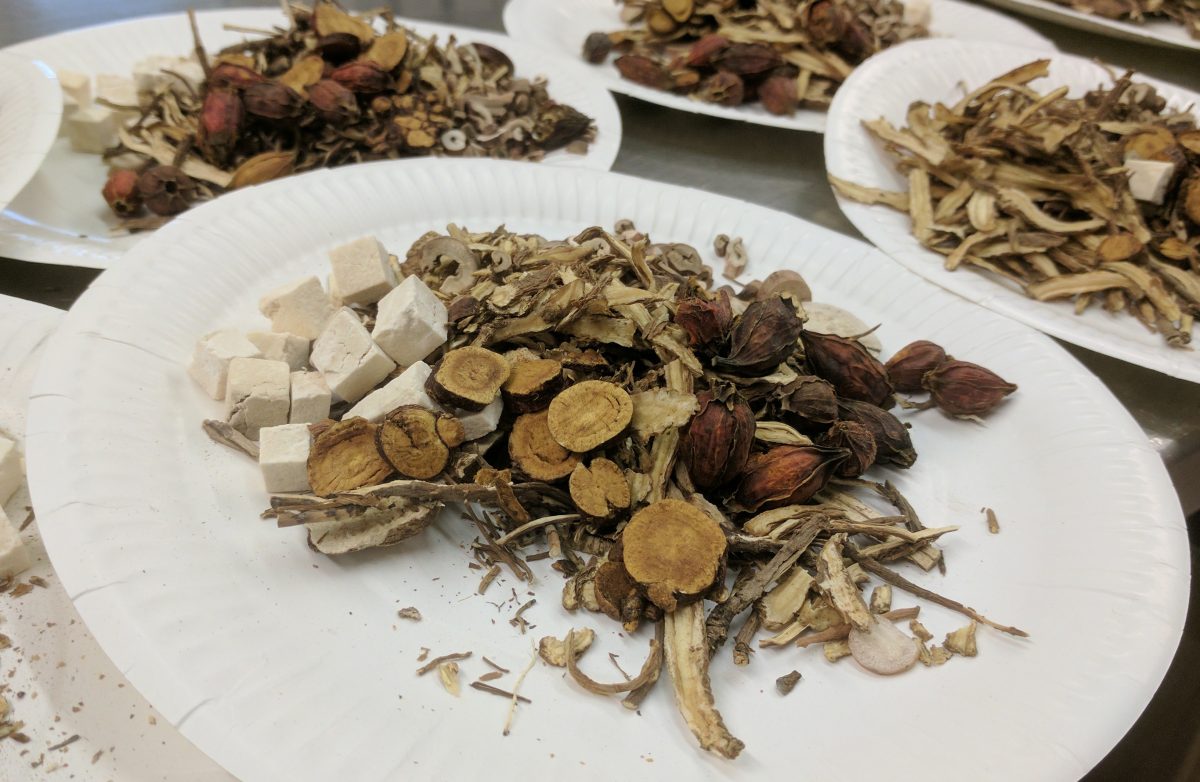
In Chinese herbal medicine, DaoDi (道地) describes herbs that come from the regions where they have traditionally grown best, harvested at the right time of year. It is one of the oldest ideas about herb quality – and it is still one of the most useful.
What DaoDi means in practice
The same plant species grown in a different region, soil or climate can have a very different profile of active constituents. DaoDi sourcing means choosing identified plant species, cultivated and harvested in precise geographical locations, so that each herb is consistent with the herb described in the classical and modern pharmacopoeia.
- The right species – correctly identified, with the proper level of active ingredients.
- The right region – grown where the herb has traditionally thrived.
- The right time – harvested when the parts used are at their best.
Never sulphur treated
Sulphur fumigation is sometimes used in the herb trade to make herbs look brighter, deter insects and extend shelf life. It can leave residues and alter the herb itself. We do not supply sulphur-treated herbs. Instead, our herbs are dehydrated to remove moisture, which helps to preserve fragile active principles such as volatile essential oils.
Who we work with
Our dry herbs are selected by long-term supply partners with a strict policy on heavy metals, sulphur and pesticide residue, in line with the highest pharmacopoeia requirements. They grow herbs on GAP-certified fields and process them in factories that comply with GMP. Because we work closely with these suppliers, we can directly influence the quality and standard of the herbs we receive.
What this means for your patients
DaoDi sourcing is about consistency. When the herbs in a formula are the same quality from one prescription to the next, you can judge a patient’s progress with more confidence. Every batch is also fully traceable and comes with a Certificate of Analysis.
See our full range on the DaoDi dry herbs page, or start a dried herb prescription from your dashboard.