

Stress, low mood, anxiety and poor sleep are among the most common reasons patients now give for booking a herbal consultation – often alongside a physical complaint. Many patients value an approach that looks at the whole person. That trust brings responsibility: mental health is an area where good herbal practice means working carefully, within your scope, and alongside the patient’s other care.
The emotions in Chinese medicine
Chinese medicine has always seen the mind and body as one. The classical texts link each of the seven emotions – joy, anger, worry, pensiveness, sadness, fear and shock – with the organ systems, and describe how strong or long-lasting emotions can disturb the movement of Qi. In clinic this often shows up as recognisable patterns, for example:
- Liver Qi stagnation – frustration, irritability, tension, sighing, symptoms that change with stress.
- Heart and Spleen deficiency – worry and overthinking, tiredness, poor appetite, restless sleep.
- Heart and Kidney not communicating – anxiety, palpitations, difficulty falling asleep, night sweats.
- Phlegm or Heat disturbing the Shen – agitation, restlessness, a feeling of oppression in the chest.
Traditional formulas such as Xiao Yao San, Gui Pi Tang, Tian Wang Bu Xin Dan and Gan Mai Da Zao Tang are associated with these patterns in the classical literature. As always, the formula follows the diagnosis: the same complaint of “stress” can need very different prescriptions in different patients.
Work alongside the patient’s other care
Herbal medicine can be one part of a patient’s support, but it should not replace assessment or treatment from their GP or mental health team. Good practice includes:
- Asking whether the patient has a diagnosis, who else is supporting them, and whether they are happy for you to liaise with their GP.
- Never advising a patient to stop or reduce prescribed medication – any change should be made with their prescriber.
- Keeping clear notes of what the patient tells you about their mood at each visit, so you can notice change over time.
Check medication carefully
Many patients with stress or low mood are taking prescribed medicines such as antidepressants, anti-anxiety medication or sleeping tablets. Before prescribing, take a full medication history – including supplements and over-the-counter remedies – and check for possible herb–drug interactions using your professional body’s guidance and reliable reference sources. If you are unsure, prescribe conservatively and review sooner.
Know when to refer
If a patient talks about suicide or self-harm, seems at risk, or shows signs of a serious mental illness such as psychosis or mania, they need urgent help from mental health services. Stay calm, take them seriously, and help them get support the same day.
In the UK, patients can contact their GP, call NHS 111 (in England, choose the mental health option), or call 999 in an emergency. Samaritans are available any time, day or night, on 116 123, and Shout offers support by text – text SHOUT to 85258. It is worth keeping these numbers on display in your clinic and in your patient information.
Choose a format the patient will keep taking
Low mood and exhaustion can make it hard for patients to keep up a routine. A prescription that is difficult to prepare may simply not get taken. When choosing a format, think about how the patient is feeling day to day:
- Granules dissolve in hot water in seconds – no cooking, no smell in the kitchen.
- Sachets give exact daily doses, which helps patients who find it hard to keep track.
- Capsules or tablets suit patients who dislike the taste or want something discreet to take at work.
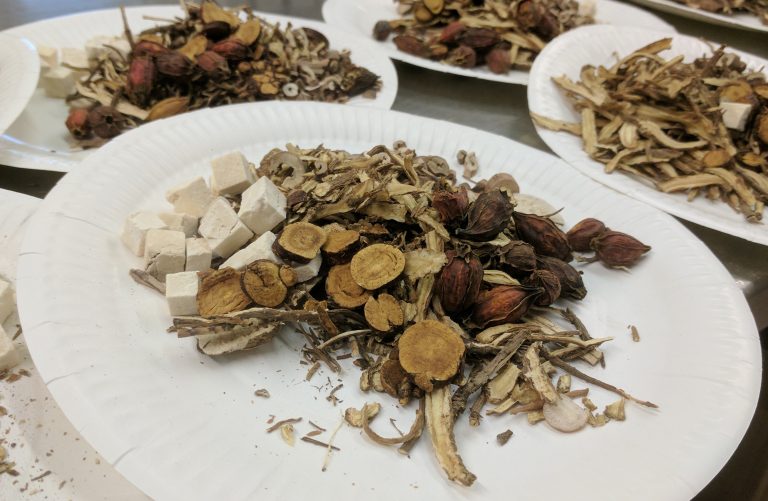
- Dried herbs in decoction bags can suit patients who find the ritual of preparing their herbs calming.
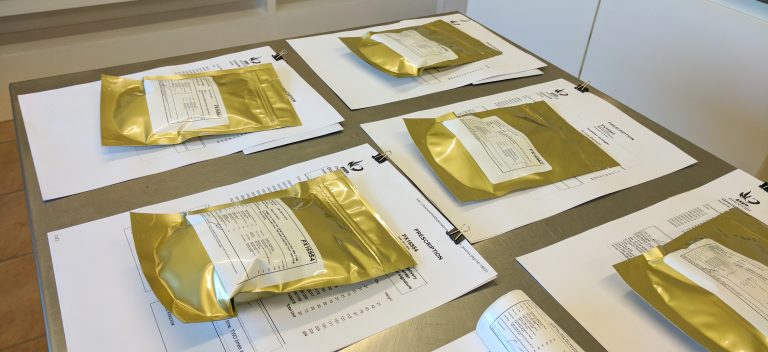
Clear, simple written instructions on the label help too. You can add your own dosage instructions to every prescription, and your clinic logo appears on the label so patients always know who to contact.
Look after yourself too
Supporting patients through difficult times can be demanding. Regular supervision or peer support, clear boundaries and knowing your local referral routes all help you to keep practising safely and well.
This article is for qualified practitioners and is not medical advice for patients. Always work within your training, your professional body’s code of practice and current safety guidance.